The Most Common Appliance Issues and How Appliance Repair Services Help
Household appliances are essential to contemporary life, yet they often encounter problems that can disrupt daily activities. Typical problems involve unstable refrigerator temperature levels, washing machine drainage problems, and oven operational issues. While these challenges can seem intimidating, qualified appliance repair technicians deliver specialized knowledge in detecting and addressing these issues promptly. Learning about how these services function can offer useful knowledge for preserving appliances and preventing expensive fixes. What specific issues should homeowners be aware of to prevent further complications?
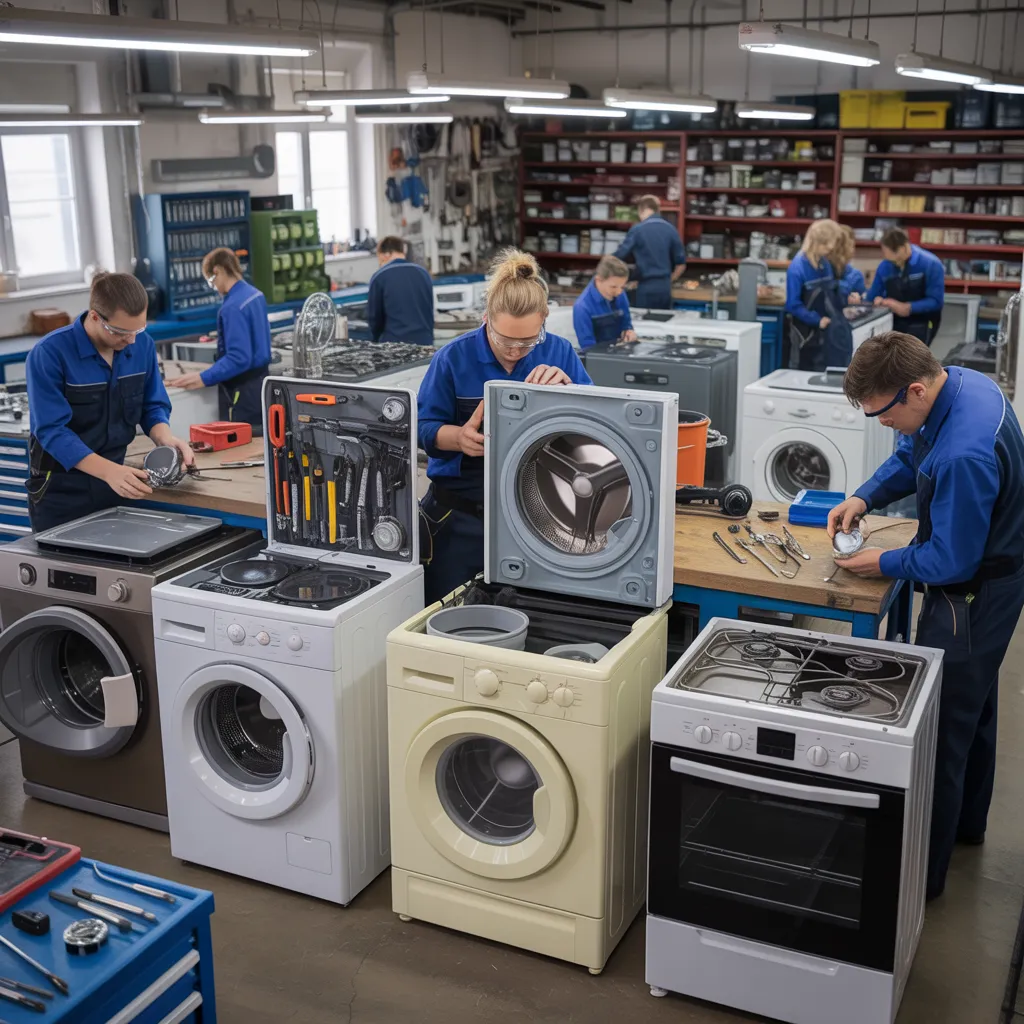
Recognizing Frequent Appliance Issues
Numerous households encounter appliance problems at various stages, making it essential to identify common issues early. Common appliances including refrigerators, washing machines, and ovens can show symptoms of malfunction which, if left unaddressed, may cause more extensive damage. To illustrate, a refrigerator might struggle to keep an even temperature, resulting in spoiled food. Washing machines can display dripping or strange sounds, indicating potential mechanical failure. Ovens might fail to heat uniformly or may fail to turn on at all, causing frustrating cooking experiences. Furthermore, dishwashers may show signs of poor cleaning performance or draining issues. Detecting these problems in a timely manner can help save both time and money ultimately. By being aware of the typical symptoms associated with appliance breakdowns, homeowners are better equipped to decide regarding when to obtain professional repair services, ensuring their appliances remain dependable and in good working order.
How to Fix Common Refrigerator Issues
When addressing refrigerator concerns, pinpointing typical faults is the initial step toward resolution. Straightforward troubleshooting techniques can often address minor concerns, making it important to know these techniques. However, understanding when to seek professional help can prevent further damage and guarantee effective repairs.
Frequent Refrigerator Issues
Refrigerators are essential appliances, and facing issues can interfere with everyday life. Typical concerns involve poor cooling performance, where groceries may deteriorate from improper temperatures. Unusual sounds, like popping or buzzing, may signal mechanical failures. Moreover, water seepage can originate from obstructed defrost drains or worn door seals, causing risk of water-related harm. A common issue is ice accumulation in the freezer, which can be caused by a defective thermostat or inadequate door sealing. Additionally, unpleasant smells may emerge from rotten food or a defective evaporator fan. Recognizing these typical refrigerator issues can assist homeowners in detecting problems promptly and pursuing suitable repair solutions to efficiently restore performance.
Simple Troubleshooting Steps
Detecting refrigerator faults can often be straightforward with a few simple troubleshooting steps. To begin, verifying the power source is critical; ensuring the unit is properly connected and the socket is working can address a variety of concerns. Following that, checking the temperature controls ensures they are accurately calibrated. If the refrigerator is too warm, checking the door gaskets for wear or buildup can assist in preserving adequate temperature. Additionally, cleaning the condenser coils, typically located at the back or beneath the unit, can improve efficiency. When frost develops inside the freezer, a defrost cycle might be required. Lastly, pay attention to strange sounds, as such noises could point to internal malfunctions. These basic checks can often help identify and resolve common refrigerator issues effectively.
When to Reach Out to Experts
How can one determine when it's time to seek expert assistance for refrigerator problems? Signs that indicate the need for specialist intervention include continual temperature inconsistencies, strange sounds, or water seepage. If basic troubleshooting—like checking the power supply and cleaning the condenser coils—does not fix the issue, it may be time to consult a technician. Moreover, if the refrigerator is aging and prone to repeated failures, opting for professional repair could avoid additional expenses. Less typical problems such as faulty compressors or electronic malfunctions typically require expert knowledge and equipment. Experts not only identify issues accurately but also provide lasting remedies, ensuring the appliance operates efficiently and safely. Recognizing these signs can conserve time and help avoid expensive repairs.
Advice for Resolving Washing Machine Problems
Even though washing machines are made for long-term use, they can experience a variety of problems that may disrupt their functionality. To resolve frequent issues, users can begin by inspecting the power supply and ensuring that the appliance is powered and running correctly. If the machine fails to draw water, inspecting the water supply valves for blockages or leaks is essential. Furthermore, users should inspect the door closure mechanism; a defective latch can keep the appliance from turning on.
In cases where machines vibrate too much, repositioning the leveling feet may help balance the machine. Regular maintenance, such as cleaning the filter and hoses, can also prevent clogs and enhance performance. Additionally, when strange sounds arise, users should confirm that no objects are stuck inside the drum. By applying these suggestions, users can frequently address minor washing machine problems before contacting professional repair technicians.
How to Diagnose Common Oven Problems
What steps can homeowners take to diagnose common oven problems? First, they should check the power supply. Ensuring the oven is plugged in and the circuit breaker hasn't tripped is essential. Next, homeowners can inspect the temperature settings and confirm they are set correctly. When the oven does not produce heat, evaluating the heating elements for continuity through a multimeter may be advantageous.
Moreover, unexpected sounds during operation may suggest a mechanical concern, prompting a closer inspection of the fan or motor. Homeowners should also examine the door seal for any damage, since a faulty seal may compromise cooking performance. Finally, checking for error codes on digital displays can provide insight into specific malfunctions. By thoroughly reviewing these components, homeowners can more effectively identify potential concerns, helping them to discuss their findings clearly with appliance repair professionals should expert intervention become necessary.
Addressing Dishwasher Drainage Concerns
Diagnosing drainage problems in dishwashers demands attentive examination and structured troubleshooting. When a dishwasher does not drain as expected, the issue typically stems from blocked filters or obstructed drain hoses. It is recommended to start by checking the filter, which can accumulate food particles and debris, obstructing water flow. A proper filter cleaning can address many drainage concerns.
Moreover, checking the drain hose is essential. A kinked or blocked hose can block water from leaving the appliance. Checking that the hose is clear of blockages will assist in reestablishing correct drainage. Moreover, checking the air gap, if installed, can reveal blockages that hinder drainage.
In some instances, the malfunction may be connected to the dishwasher's pumping mechanism. If the pump is malfunctioning, it may necessitate expert repair assistance to assess and fix the malfunction. Early attention insightful guide can stop further damage and confirm the machine functions properly.
The Importance of Not Postponing Appliance Repairs
Delaying appliance repairs can cause significant consequences for home owners. When appliances stop working properly, even minor faults can escalate into serious issues if not dealt with quickly. For example, a minor leak in a refrigeration unit can eventually result in mold growth, water damage, and higher energy bills. Furthermore, ignoring warning signs often results in a complete breakdown, necessitating costly repairs or complete replacement.
Furthermore, faulty appliances may present serious safety concerns, such as electrical hazards or fire hazards in the case of faulty wiring. Homeowners may also experience inconveniences, such as disrupted daily routines and diminished quality of life. Timely repairs not only restore functionality but also extend the lifespan of appliances, consistently cutting expenses in the long term. Hiring appliance repair specialists without delay ensures that faults are assessed correctly and handled efficiently, avoiding additional problems and maintaining home safety.
Questions We Often Receive
How Do I Increase the Longevity of My Appliances?
To maximize the longevity of appliances, regular maintenance is essential. Routine cleaning, refraining from overloading, guaranteeing adequate ventilation, and complying with manufacturer instructions can greatly enhance their durability and efficiency, ultimately saving time and money in the long run.
Are DIY Repairs Safe for All Appliance Types?
DIY repairs are not universally safe for all appliance types. While some smaller issues are manageable without professional help, complex repairs often require professional expertise to prevent safety hazards and further damage to the appliance.
What Signs Indicate I Need Professional Appliance Repair?
Indicators that signal the need for expert appliance service include strange sounds, water leaks, inability to power on, erratic performance, and error messages. Prompt action stops additional damage and ensures appliances function properly and safely.
What Are the Typical Costs for Appliance Repair Services?
The typical cost for appliance repair services is between $100 and $300, varying according to the appliance and the specific issue involved. Factors such as parts needed, labor complexity, and geographical location can influence the final price considerably.
Can Routine Maintenance Help Prevent Appliance Problems?
Consistent maintenance can significantly prevent appliance malfunctions by ensuring ideal performance and recognizing potential concerns ahead of time. This forward-thinking approach reduces the likelihood of costly repairs and prolongs the lifespan of residential appliances.